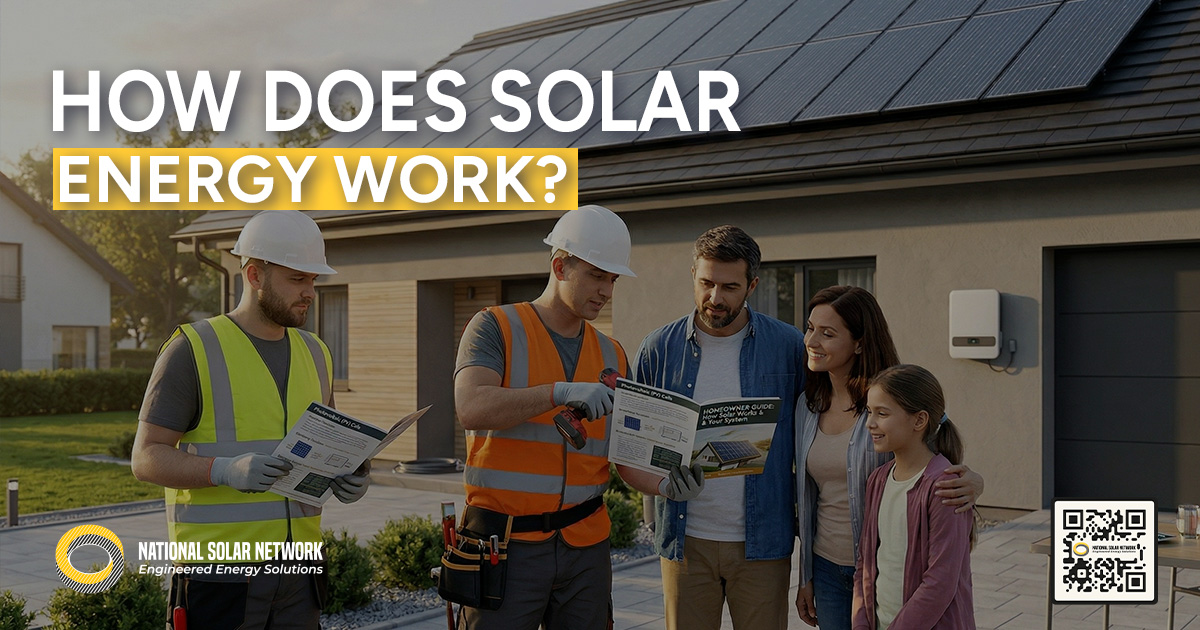
Solar energy works by capturing sunlight and turning it into electricity your property can use. In a standard solar system, panels generate power during daylight hours, and that output changes over time based on weather, season, system design, and how electricity is used on site.
How Solar Energy Works in Simple Terms
A solar system turns sunlight into usable electricity through a simple process. The panels generate power during daylight hours, and that power is converted so the property can be supplied through its normal electrical system.
- Sunlight hits the solar panels
Solar panels capture light from the sun through photovoltaic cells, often called PV cells. These cells respond to light rather than heat, which is why solar panels can still generate electricity even when the weather is not hot. - The panels produce DC electricity
When sunlight activates the cells, they create direct current, or DC electricity. This is the first form of electricity the system produces before it can be used by most appliances or equipment on site. - The inverter converts it into AC electricity
The inverter changes that DC power into alternating current, or AC, which is the type of electricity used in most homes and businesses. Without that conversion, the electricity from the panels cannot be used through the property’s standard electrical circuits. - The property uses that electricity first
Once converted, the solar power can run lights, appliances, equipment, and other electrical loads on site during the day. In practice, this means the system helps reduce the amount of electricity the property needs to draw from the grid while solar generation is available.
If the system is producing more electricity than the property needs at that moment, the excess can be sent to the grid on a grid-connected system. If solar production is lower than demand, electricity is drawn from the grid instead.
What to Expect Month to Month
Solar output does not stay the same every month, and neither do electricity bills. That variation is normal.
| What changes | What it affects | What that means in practice |
| Longer or shorter days | Total solar generation across the month | Longer days usually give the system more time to produce electricity, while shorter days reduce total output. |
| Cloud cover and weather | Day-to-day output | A run of cloudy or wet days can lower generation for that billing period, even if the system is working normally. |
| Sun angle through the year | How strongly panels perform across different seasons | Solar production can be stronger in some parts of the year and softer in others, depending on seasonal conditions. |
| Daytime vs evening electricity use | How much solar power the property can use directly | Properties that use more electricity during the day can often use more of their own solar as it is being generated. |
| Seasonal appliance use | Monthly bill variation | Heating, cooling, and other seasonal equipment can increase electricity use, which changes the final bill even when solar generation is steady. |
| Changes in household or business routine | Overall grid use | If more people are home, business hours change, or equipment runs longer, electricity use can rise even if solar output stays similar. |
Monitoring can help you understand these patterns over time. It shows when the system is generating well and whether changes from one period to the next are more likely linked to weather, season, or changes in electricity use.
What Affects How Well a Solar System Works
Site and roof factors
Solar works best when the site allows panels to receive strong, consistent sunlight. Roof direction, roof pitch, and shading all affect how much usable generation the system can deliver.
Shade from trees, nearby buildings, or roof features can reduce output. Available roof space also matters, because it affects how many panels can be installed and how they can be arranged.
System design and equipment choices
Performance also depends on how well the system is matched to the property. A larger system is not always the better option if it does not suit the way electricity is used on site.
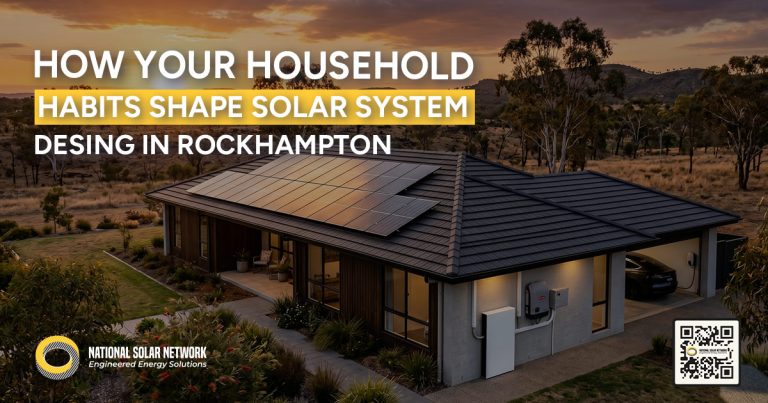
Good system design considers both the physical roof layout and the property’s usage patterns. That includes how much electricity is used, when it is used, and how the panels and inverter work together as one system.
Equipment quality matters as well. Reliable panels and a suitable inverter support more consistent performance over time, especially when the system has been designed around the property instead of fitted as a generic package.
Common Questions Before Going Solar
Does solar work on cloudy days?
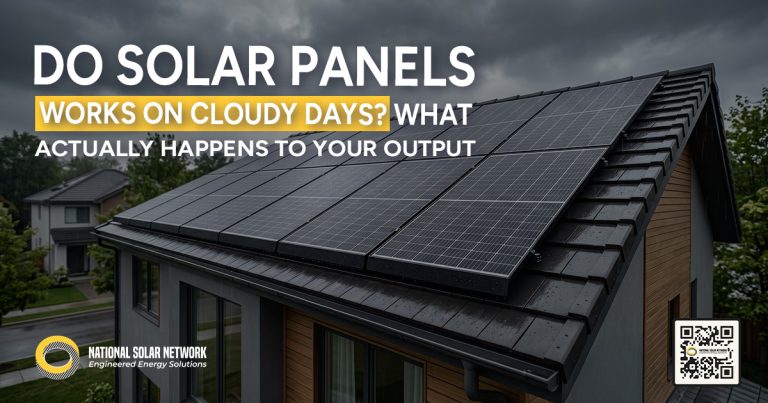
Yes. Solar panels still generate electricity on cloudy days because they respond to daylight, not only direct sunshine. Output is usually lower than on clear days, but generation does not stop just because the weather changes.
Does solar work during a blackout?
Not usually on a standard grid-connected system. For safety reasons, most systems shut down during a blackout unless they are set up with the equipment needed to supply backup power.
Is a battery required?
No. A battery is not required for solar panels to generate electricity or for a grid-connected solar system to help reduce grid use during the day. Its main role is to store excess solar power so it can be used later, rather than exporting all of it as it is produced.
If you want to get more infos about batteries, visit this page.
How do you know if a property is a good fit?
A property is assessed by looking at practical factors such as roof space, shading, roof direction, and electricity usage patterns. A suitable recommendation should be based on those site conditions, not on a standard system size.
Find Out How Solar Could Work for Your Property
Once you understand how solar works in general, the next step is to see how solar could work for your property. A proper assessment looks at roof layout, shading, electricity use, and system design so the recommendation reflects the site, not a standard package.